Cities across Southeast Asia have expanded rapidly, with the region's urban population doubling over the past quarter century. This growth creates opportunities for innovation and sustainable development, while placing increasing pressure on infrastructure, public services, green areas and public space.
Well-managed urban systems must improve quality of life while responding to climate risks, floods, droughts and rising emissions. Waste collection, safe disposal and air, land and water pollution also require coordinated action as ASEAN cities continue to grow.
ASEAN supports participatory and integrated urban planning that provides access to clean land, green public space, clean air, safe water and sanitation. This work contributes directly to sustainable, inclusive, resilient and liveable communities, including the ambitions of Sustainable Development Goal 11.
The regional action plan focuses cooperation on sustainable urban planning and implementation, together with climate-resilient and low-carbon cities.
Accomplishment
1. The ASEAN Initiative on Environmentally Sustainable Cities (AIESC)
Endorsed by ASEAN Environment Ministers in 2005, AIESC helps small and rapidly growing cities improve clean air, clean land and clean water. Its awards and certificates recognise exemplary local action and help cities share practical approaches to becoming cleaner, greener and more liveable.
2. ASEAN ESC Model Cities Programme
This regional programme provides seed funding, technical assistance and capacity support for locally led initiatives. It strengthens national frameworks, scales effective policies and encourages city-to-city collaboration with support from the Japan-ASEAN Integration Fund.
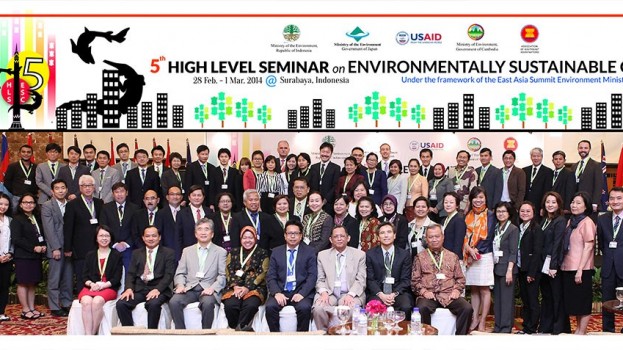
3. High Level Seminar on Environmentally Sustainable Cities (HLS-ESC)
Held regularly since 2010, the seminar enables East Asia Summit countries to exchange policy, legal and practical experience and to develop collaborative actions for environmentally sustainable cities.
4. Clean Air for Smaller Cities Project
The project supported small and medium-sized cities in eight ASEAN Member States to prepare and implement clean-air plans. Its work included emissions inventories, municipal plans and training programmes that strengthened local capacity.
5. CityLinks Pilot Partnership
This technical-exchange programme connected ASEAN cities with experienced practitioners to strengthen urban climate resilience and adaptation, build a structured model for city-to-city learning and sustain a wider knowledge network.
Objectives
Over the next decade, the main objectives of the AWGESC Action Plan are:
- Ensure ASEAN cities and urban areas are environmentally sustainable while meeting people's social and economic needs.
- Promote sustainable urbanisation and climate-resilient cities towards a clean and green ASEAN.
Means of Implementation
The ASEAN Working Group on Environmentally Sustainable Cities (AWGESC) leads implementation of programmes and activities under this strategic priority, consulting other sectoral bodies and partners where cross-sector cooperation is needed.
AWGESC oversees planning and technical delivery, supported by policy direction from ASEAN environment ministers and senior officials. Programme leads develop workplans, coordinate implementation with Member States and the ASEAN Secretariat, and report progress to the working group.
Potential Partners and Stakeholders
Regional cooperation may include organisations and platforms working on sustainable urban development and climate resilience, such as UNDP, UNESCAP, the European Union, ICMA and the Institute for Sustainable Communities.
Planning, capacity-building and knowledge exchange can also be supported by dialogue and development partners, including Japan, USAID, GIZ, IGES, China and India.
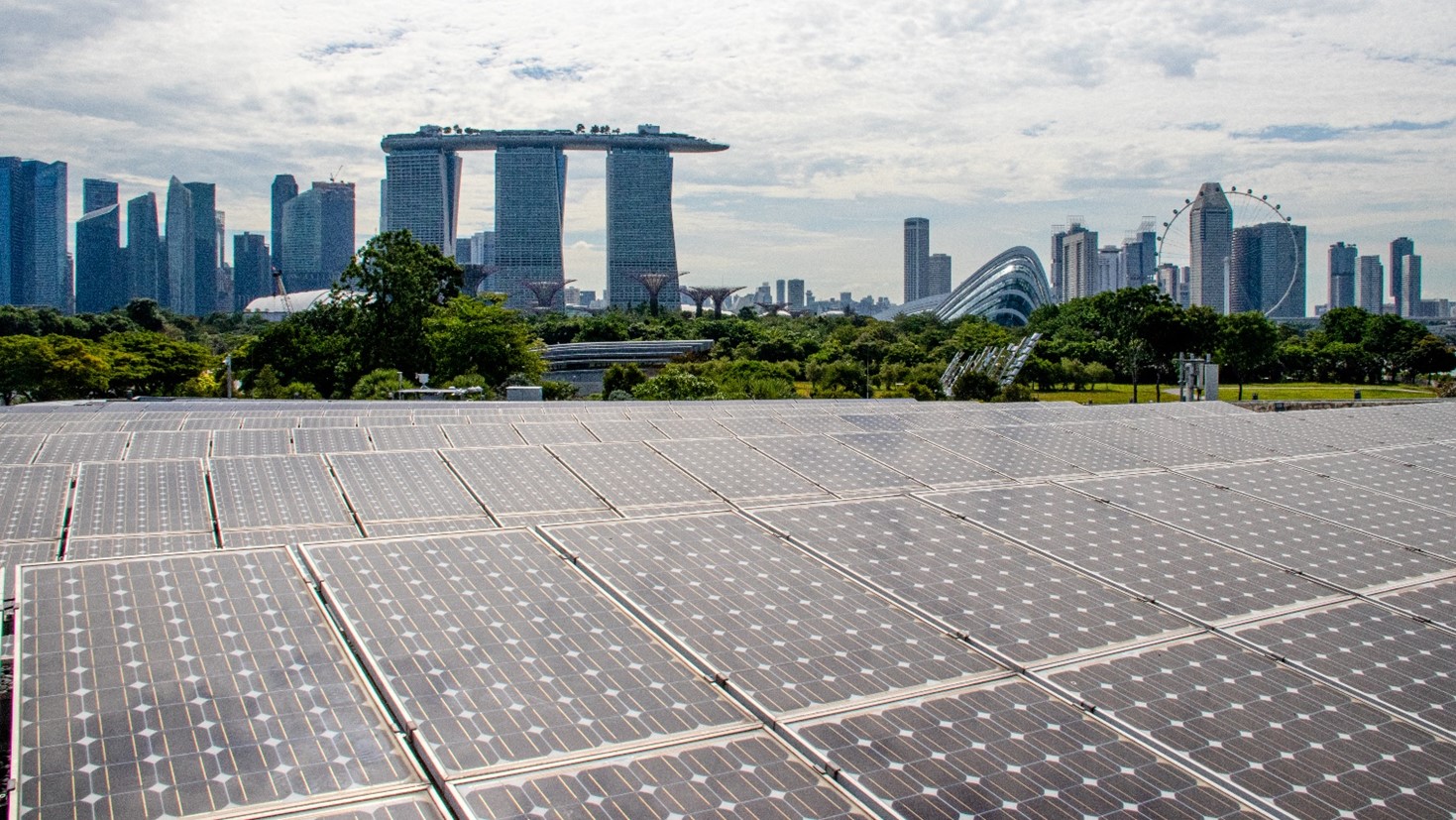
Credit: ASEAN Foundation Photo Competition — Singapore New Vision: City in a Garden (2021)