Waste Management & Marine Litter Prevention
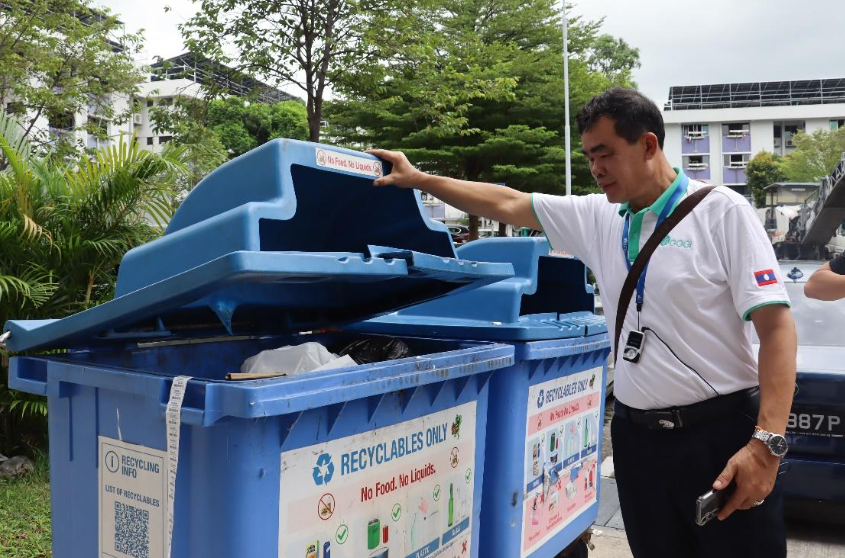
Across Southeast Asia, growing cities, rising consumption, and a shift toward modern lifestyles are creating an urgent and visible challenge waste. Mountains of uncollected trash, plastic-filled rivers, overflowing dumpsites, and polluted coastlines are increasingly common sights. The waste crisis isn’t just an environmental issue. It affects public health, tourism, fisheries, and the overall quality of life. Most significantly, it reveals the gaps in infrastructure, governance, and behavior that persist across urban and rural areas alike.
Land-based waste, particularly plastic, doesn’t just stay on land. It ends up in rivers, oceans, and coastal communities. Southeast Asia has been identified as a major contributor to global marine litter, a label that reflects not malice, but missed opportunities. In many cases, the lack of waste collection, poor segregation systems, and limited treatment facilities make it almost impossible for even well-meaning citizens to manage their waste responsibly.
The Waste Management & Marine Litter Prevention theme in this platform brings together knowledge, real-life lessons, regional policy efforts, and community initiatives that seek to address the root causes of this problem. From informal waste pickers to national legislation, from community cleanups to digital tracking tools, the solutions are there and growing.
Understanding the Scale of the Problem
As more people move into cities, and incomes increase, consumption rises along with waste. Packaging, electronics, disposable goods, and fast food create large volumes of daily waste. Yet many urban areas, especially secondary cities and smaller towns, don’t have the infrastructure to cope. Waste collection is inconsistent or unavailable. Segregation rarely happens. In many places, trash is openly burned, buried, or dumped into waterways.
The consequences are visible and serious. Uncollected waste clogs drains and worsens floods. Burning waste contributes to air pollution and respiratory diseases. Plastics break down into microplastics and enter the food chain. In coastal regions, poorly managed land-based waste flows into the sea, threatening marine ecosystems, fisheries, and tourism.
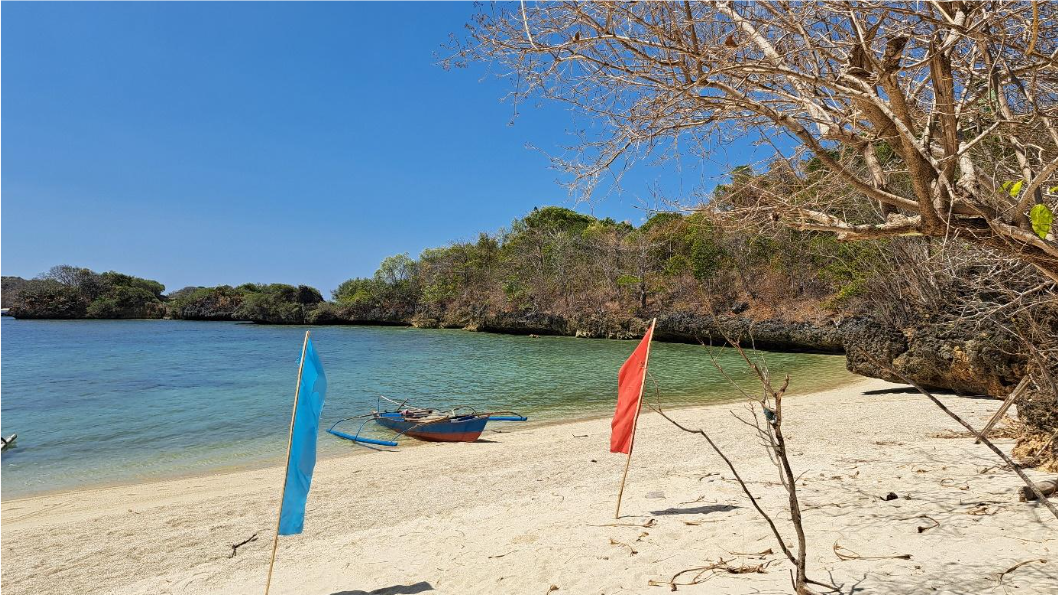
Some of the most biodiverse marine areas in the world like the Coral Triangle are located in Southeast Asia. They are also the most at risk. Marine litter, especially plastic, damages coral reefs, kills marine life, and disrupts livelihoods.
Objectives
Over the next 10 years, the main objectives of the AWGCW Action Plan are:
To further strengthen regional coordination and cooperation in addressing wastes and chemicals- related issues including controlling transboundary movement of hazardous waste under relevant multilateral environmental agreements, such as Basel, Rotterdam, Stockholm, and Minamata conventions, and Montreal Protocol as well as internationally agreed-upon systems such as the Globally Harmonised System of Classification and Labelling of Chemicals (GHS).
To achieve the environmentally sound management of hazardous chemicals and wastes throughout their life cycle, in accordance with agreed international frameworks.
To reduce the growing threats of hazardous chemicals and wastes to human health and environment through, among others, enhancing the regional cooperation in preventing the illegal traffic of transboundary movement of hazardous chemicals and waste, and capacity building related to good management practice in handling hazardous chemicals and wastes.
ASEAN’s Regional Response
ASEAN Member States have acknowledged the growing waste crisis and its marine implications. In recent years, ASEAN has made notable progress in setting up frameworks and cooperative efforts.
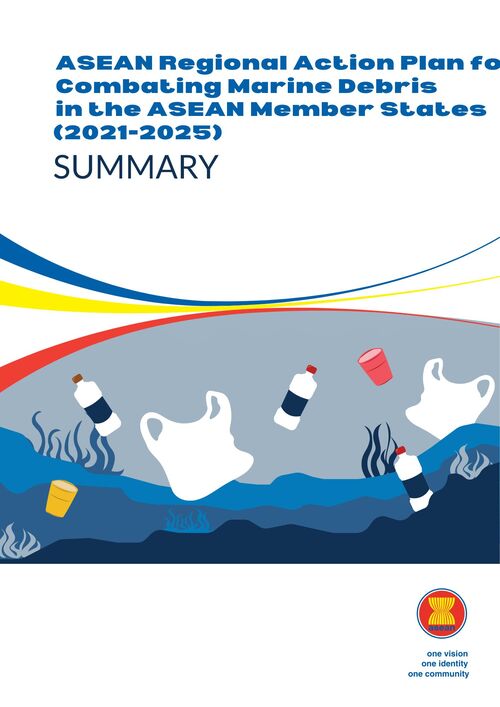
One of the most important regional initiatives is the ASEAN Regional Action Plan on Combating Marine Debris (2021–2025). This plan provides countries with a framework to reduce plastic use, improve waste systems, enhance regional cooperation, and promote education. It reflects a unified political will to act and provides guidance for countries at different stages of development to align their strategies.
Supporting this action plan are technical and sectoral bodies like the ASEAN Working Group on Coastal and Marine Environment (AWGCME), the ASEAN Working Group on Environmentally Sustainable Cities (AWGESC), the ASEAN Working Group on Chemicals and Waste (AWGCW), and the ASEAN Environment Knowledge Hub. Together, these groups facilitate knowledge exchange, project coordination, and capacity-building efforts.
International Support
Various internationally supported projects are operating under ASEAN’s technical working groups to enhance waste management and marine litter prevention efforts. These initiatives align with the region’s broader environmental goals and help translate policy frameworks into practical action.
Under the ASEAN Working Group on Coastal and Marine Environment (AWGCME), projects such as 3RproMar (Reduce, Reuse, Recycle to Protect the Marine Environment and Coral Reefs) and SEA-MaP (Southeast Asia Marine Plastics Project) are focused on reducing plastic leakage into marine environments. These projects support coastal communities through public education, alternative materials, and locally driven recycling solutions.
Meanwhile, under the ASEAN Working Group on Environmentally Sustainable Cities (AWGESC), projects like AMUSE (ASEAN Municipal Solid Waste Management Enhancement) and the GGGI-supported Integrated Municipal Waste Management program provide technical assistance to tourism cities. These initiatives help municipalities improve waste planning, promote waste segregation, and scale up sustainable waste services.
Together, these projects demonstrate how international collaboration, when aligned with local needs and ASEAN frameworks, can drive impactful and scalable solutions across the region.
Key Challenges That Remain
Despite progress, the region still faces deep-rooted barriers. Waste systems in many areas are underfunded and understaffed. There is little separation of organic and inorganic waste, making recycling and composting difficult. Informal waste workers, who form the backbone of recycling in many cities, are often excluded from formal systems and face unsafe working conditions.
Data on waste generation, collection rates, and leakage into the environment is still limited or inconsistent. Without strong data, it’s hard to make the case for investment or monitor the impact of policies. Meanwhile, the continued use of low-cost, single-use plastic products many of which are non-recyclable adds to the burden.
In coastal areas, the lack of connection between inland waste systems and marine protection efforts weakens the fight against marine litter. Riverine plastic pollution, which carries urban waste to the ocean, remains a major problem.
Solutions
To achieve sustainable waste management and stop marine litter, cities and countries across ASEAN need to make changes on multiple levels.
First, local governments must be supported in developing and financing better waste systems. This includes expanding access to collection services, promoting separation at the source, and investing in composting and recycling infrastructure. Cities should also be encouraged to partner with informal waste workers and recognize their role in resource recovery.
Second, policy and regulation need to catch up. National governments can set standards for packaging, ban certain single-use plastics, and promote producer responsibility. Enforcement, however, must be practical and fair, especially for smaller businesses and communities.
Third, public awareness must be raised. People need to know why sorting their waste matters, how to do it, and where the waste goes. School programs, social media campaigns, and visible leadership from local authorities can make a big difference.
Finally, marine litter prevention must be better integrated with land-based waste efforts. Preventing plastic from reaching rivers in the first place is the most cost-effective and environmentally friendly solution. Cleanups help, but they’re not enough.
A Regional Movement Toward Cleaner Cities and Seas
The good news is that momentum is growing. ASEAN countries are sharing ideas, piloting new approaches, and investing in better systems. Projects like AMUSE and 3RproMar are building bridges between governments and communities, between waste pickers and policymakers, and between city streets and coastal waters.
This thematic area supports that momentum. It provides a space for learning, dialogue, and practical action. Whether you are a city official looking to improve your waste plan, a teacher organizing a clean-up, or a national agency drafting marine litter policy, the platform offers examples and tools that can help.
The waste crisis in ASEAN is real and challenging, but solvable if stakeholders join forces and actively contributing to the solutions. With stronger systems, smarter policies, and more engaged citizens, the region can turn the tide on trash. Cleaner cities, protected coastlines, and thriving marine ecosystems are within reach and will contribute also to ASEAN’s economic growth.
Action plan